
What to prepare before meeting an architect
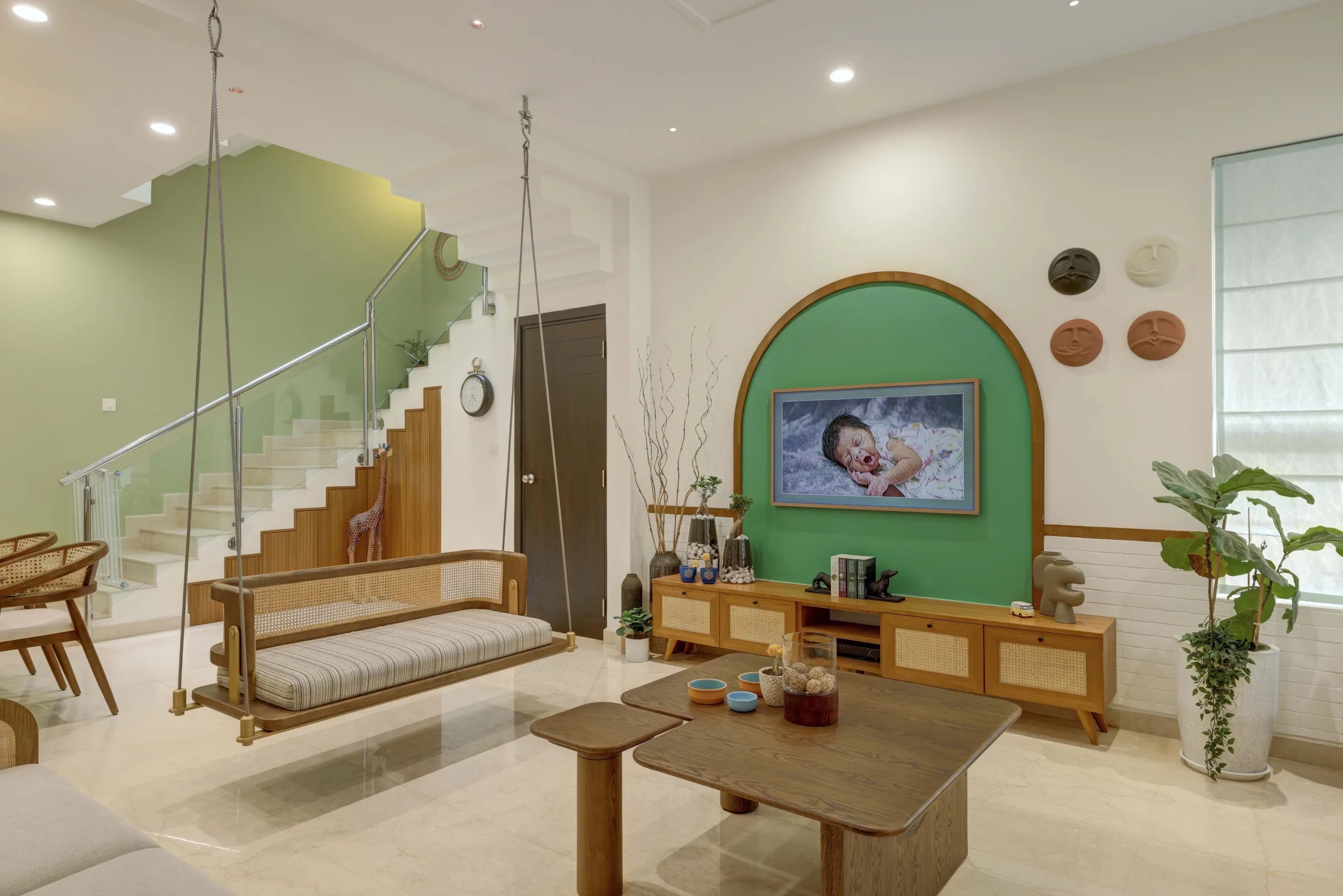
A simple way to gather your priorities, site information and questions before the first conversation.
The first meeting with an architect is less of an interview and more of a conversation. You don’t need drawings, a finished brief or a fixed budget to walk in. But a little preparation goes a long way: it helps you say what matters to you, and it helps us ask better questions in return. Here is what we suggest gathering beforehand.
Start with how you live, not what you want built
Most people arrive with a list of rooms: four bedrooms, a home office, a puja room, a large kitchen. That list is useful, but the story behind it is more useful still. Who lives in the house today, and who might in ten years? Do parents visit for months at a time? Does the family eat together at a table or gather in the kitchen? Where do you sit to read, and where do the children do their homework?
Spend a week noticing your routines. Write down the moments in your current home that work well and the ones that frustrate you, such as the corner that is always too dark, the bathroom everyone queues for in the morning, or the balcony nobody uses because it faces the afternoon sun. These small observations often shape a design more than any list of rooms.
Gather what you know about the site
If you already own the land or the apartment, bring whatever documents you have. You don’t need everything on the first day, but each item answers questions that would otherwise take weeks:
- The sale deed, khata or patta, and any approved plans for an existing building
- A survey sketch with the plot’s dimensions, and the road width in front of it
- The local building rules if you know them: setbacks, permitted height and coverage
- A soil test report, if one has been done
- Photographs from each corner of the site, ideally taken in the morning and again in the afternoon
Those photographs matter more than people expect. They show where the sun falls, which neighbours overlook you, where water collects after rain, and which trees are worth keeping. A rough note of which way is north completes the picture.
Be honest about budget and timing
Many people hold back their budget in the first meeting, worried it will be spent simply because it was mentioned. In practice the opposite happens. A clear figure, even a range, lets us tell you early what is realistic, where the money is best spent, and what could wait for a later phase. It is far easier to design within a number from the start than to cut a finished design down to fit one.
The same goes for time. If you need to move in before a school year begins or before a lease ends, say so. Approvals, the monsoon and the availability of good craftspeople all affect a schedule, and planning around them early avoids difficult choices later.
Collect pictures, and note why you saved them
Most clients bring a folder of saved images, and they help. But a picture on its own can mean many things. Next to each one, write a line about what drew you to it: the way light falls across a wall, a kitchen that feels open to the garden, the warmth of a timber ceiling. Often the same quality shows up again and again across very different photographs, and that recurring thread tells us more about your taste than any single image.
It is just as useful to note what you don’t like. Spaces that feel cold, ceilings that feel low, finishes that look tired after a few years: knowing what to avoid narrows the search quickly.
Questions worth asking us
The first meeting is also your chance to understand how we work. A few questions are worth asking any architect:
- What does each stage of the design involve, and what will I receive at the end of it?
- How are fees calculated, and what is included?
- Who will I be working with day to day?
- How involved will you be once construction begins?
- Could I see a finished home similar in size or budget to mine?
A good first meeting ends with more questions than it started with. That is a sign the conversation has begun.
You don’t need to have every answer before you begin. The point of preparing is not to arrive with a finished plan, but to arrive ready to think about one together.